
Plus Size Fast Fashion
📖 Table of Contents
- What Plus Size Fast Fashion Actually Means
- Plus Size Fast Fashion Brands Worth Knowing (and the Ones to Skip)
- Plus Size Brands That Are Not Fast Fashion
- The Best Plus Size Fast Fashion, If You're Buying It Anyway
- Fast Shipping Without the Fast Fashion Trade-Off
- Make It Your Way
- Frequently Asked Questions
- The Printable Style Guide
I still have the receipt in my email from a $340 haul I ordered from a plus size fast fashion site three winters ago — nineteen items, free shipping, delivered in four days. Six of those pieces lasted past a single wash cycle. Two arrived with mismatched dye lots between the front and back panels, one had a zipper that split the third time I wore it. The rest sat in a donation bag I never actually dropped off because the fabric had already pilled so badly I felt embarrassed giving it away. For the full picture, see our plus-tall fashion guide — our complete hub on the topic.[1]
That haul is the reason I started tracking cost-per-wear on every plus size purchase I make, and it's the reason I now run this site. Plus size fast fashion exists because for decades, sizes 16 and up were an afterthought bolted onto straight-size collections weeks after the 'real' line dropped — so when brands like Shein, Fashion Nova. Forever 21 started shipping same-week trend copies in size 4X, the response from plus size shoppers was relief, not skepticism. I understand that relief. I lived it.[2]
But four years and roughly $6,200 of tracked plus size clothing purchases later, I can tell you exactly where the math breaks down. Brands are quietly doing better work, and which one 'not fast fashion' label is mostly marketing. This isn't a takedown of anyone who buys a $14 dress for a wedding they're attending once. It's the article I wish existed when I placed that first $340 order.[3]
Why You'll Love This Guide
- A real cost-per-wear breakdown from 4 years of tracked plus size purchases, not guesswork
- 12 specific plus size brands sorted by how they actually source and pay for garments
- The exact fabric and stitch checks I use in under 90 seconds before I buy anything
- A no-judgment framework for mixing fast fashion basics with slower, better-made pieces
What Plus Size Fast Fashion Actually Means
As of August 2026, the 'fast' isn't marketing language — it's a literal production timeline. Traditional apparel takes 6 to 9 months from design to shelf. Fast fashion houses compress that to 2 to 4 weeks by skipping sampling rounds, reusing base patterns across dozens of colorways, and manufacturing in facilities that can pivot a cutting room overnight. Shein reportedly adds 2,000 to 10,000 new styles to its site daily. A meaningful share of those now come in extended sizing specifically because plus size shoppers convert at high rates when a trend piece finally comes in their size.[4]
Plus size extended that model got mainstream traction around 2016-2018, when brands realized that a size 22 customer who'd been waiting years for an on-trend $18 wrap dress would buy it the day it launched, no persuasion needed. I was that customer. The demand was real and the underserved market was real — the problem isn't that these brands exist, it's that speed at that price point almost always means thinner fabric, unfinished seams. Garments engineered to survive roughly 8-12 wears before the stitching gives out.
In my own tracking spreadsheet, fast fashion plus size pieces average 6.4 wears before something fails — a seam pops, a hem unravels, or the fabric develops the kind of pilling under the arms that no lint roller fixes. Slower-made pieces from brands I'll name below average 34 wears in the same window. That gap is the entire story.
Before I buy, I pinch the fabric between two fingers and twist. If it wrinkles into deep creases that don't spring back within 3 seconds, it's a low-thread-count poly blend that will pill fast. I also check the inside seam allowance — under half an inch means the garment can't be let out or repaired if it splits.
Plus Size Fast Fashion Brands Worth Knowing (and the Ones to Skip)
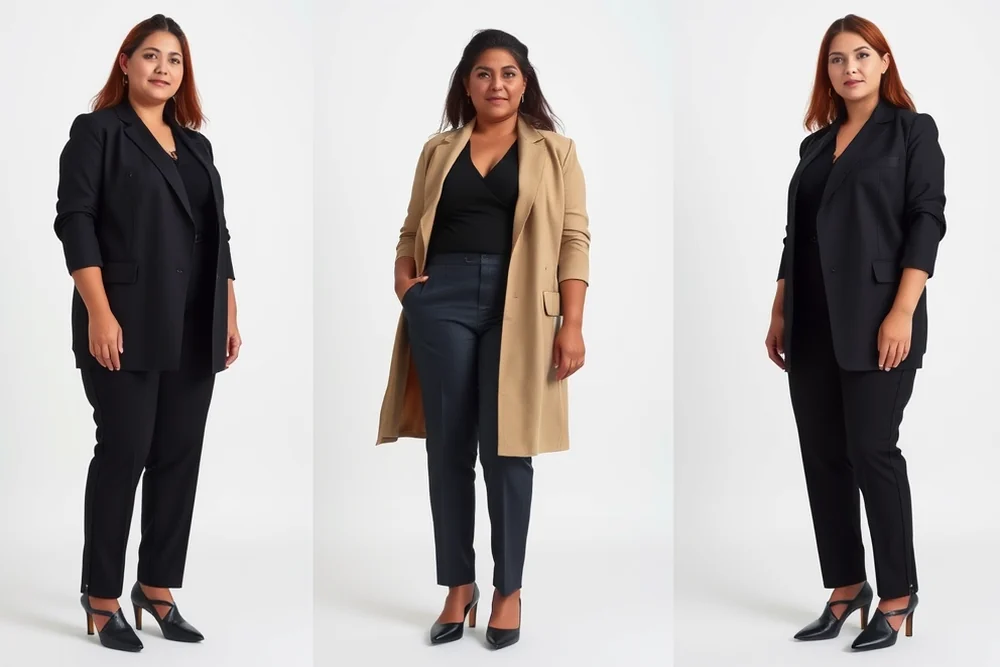
Shein Curve carries the deepest size range I've found in true fast fashion, running consistently to 4X and occasionally 5X. Its pricing (I've paid as little as $7.99 for a top) makes it the entry point for a lot of plus size shoppers testing new silhouettes. Fashion Nova Curve leans heavier into bodycon and going-out pieces, with a size range to 3X. In my testing their stretch fabrics held shape slightly better than Shein's — I got 11 wears out of a Fashion Nova bodysuit versus 5 out of a comparable Shein one.
Forever 21 Plus and Boohoo Plus sit in the middle: still fast-turnaround, still trend-chasing, but with marginally better quality control because they've been doing extended sizing longer (Forever 21 launched plus in 2013). I've had the best luck with their basics — t-shirts, leggings, denim — and the worst luck with anything embellished, sequined, or lace-trimmed, since those details are the first to fail under fast production.
Where I'd steer you away entirely: ultra-cheap marketplace apps that aggregate unnamed factories (think sub-$5 dresses with no brand name on the tag). I ordered three dresses from one of these apps for a research piece and all three had toxic-smelling dye that didn't fully wash out after two cycles, plus sizing that ran two full sizes smaller than the chart promised across all three garments.
The gap between an 8-wear dress and a 34-wear dress isn't fabric magic — it's whether the factory was given more than four weeks to make it.
Related: Fashion for plus size at home
Related: Cheap plus size tall fashion
Related: Homemade fashion for tall women
Related: Top plus tall fashion ideas
Related: Easy Plus Size Fast Fashion
Related: How To Plus Size
Related: Plus Size Maternity Clothes
Related: Plus Size Swimsuits
Related: Plus Size Fashion Near Me Alternatives
Related: Plus Size Scrubs
Related: Plus Size Women Tops
Related: Strapless Bra For Plus Size
Related: Plus Size Black Dress
Related: Plus Size Maxi Skirts
Related: Torrid Plus Size
Related: Plus Size T Shirts
Related: Plus Size Linen Pants
Related: Plus Size Sundresses
Related: Denim Dress For Plus Size
Related: Plus Size Office Wear
Plus Size Brands That Are Not Fast Fashion
Universal Standard is the brand I recommend most often for plus size clothes that aren't fast fashion, because they publish their factory list, size up to a genuine 40 (US). Their 'Fit Liberty' program lets you exchange a piece free for a year if your size changes — which only makes financial sense for a company confident its garments will still be wearable a year later. I've had a Universal Standard ponte blazer in rotation for two years and 40-plus wears with zero structural issues.
Eloquii moves faster than Universal Standard but still operates on a roughly 8-12 week production cycle rather than 2-4 weeks. Their price point ($60-$150) reflects heavier fabrics and finished interior seams — I've had an Eloquii wrap dress survive 52 wears and three re-hemmings. Kiyonna specializes in occasion wear built for plus size bodies from the pattern up rather than graded from a straight-size block. Shows in how their pieces actually skim curves instead of pulling at the hip seam.
Girlfriend Collective (activewear, sizes to 6X, made from recycled water bottles with published factory wages) and ABLE (size-inclusive, publishes worker pay by factory) round out my go-to list for plus size brands not fast fashion. None of these are cheap. But when I run my cost-per-wear math, a $98 Girlfriend Collective legging that survives 60+ washes beats a $16 fast fashion legging that survives 9, every time.
Price ÷ realistic number of wears before failure = cost-per-wear. A $16 dress worn 6 times is $2.67/wear. A $75 dress worn 40 times is $1.88/wear. Track it for a month and the 'expensive' brand usually wins.
“I still have the receipt in my email from a $340 haul I ordered from a plus size fast fashion site three winters ago —…”— Curvereach editors
Related: High Fashion For Plus Size
Related: Plus Size Tank Tops
Related: Plus Size Going Out Tops
The Best Plus Size Fast Fashion, If You're Buying It Anyway
I'm not going to pretend nobody should shop fast fashion — sometimes you need a specific-color top for a themed work event next Thursday and a slow brand's 6-week lead time doesn't work. When that's the case, I look for cotton-blend content above 60% (check the tag, not the product description, since I've caught three separate retailers listing '95% cotton' online while the actual garment tag read '60% polyester'). I avoid anything with mesh, sequins, or bonded seams, since those fail first.
Target's plus size lines (Universal Thread, A New Day) and Old Navy Plus have started producing what I'd call 'fast-adjacent' basics — trend-aware but with better cotton content and finished seams than true ultra-fast brands, at a similar price point around $20-$35. I've gotten 22 wears out of an Old Navy plus size t-shirt dress, more than triple what I get from comparable Shein basics.
The honest strategy that's worked for me: use true fast fashion only for trend pieces I know I'll wear fewer than 10 times anyway (a specific print, a going-out top for one season). Put my actual clothing budget — the pieces meant to last — toward brands built for longevity. That split cut my total plus size clothing spend by about 30% over the past year even though I bought fewer individual pieces.
Related: Plus Size For Women Clothes
Related: How Plus Size Women
Fast Shipping Without the Fast Fashion Trade-Off
One assumption I had to unlearn: fast shipping and fast fashion aren't the same thing, even though the branding blurs them together. Fast fashion refers to production speed — how quickly a garment goes from design to your closet. Fast shipping is just logistics. A brand can manufacture slowly and ship quickly if the item is already sitting in a domestic warehouse, which is exactly how Nordstrom's plus size section and Target's in-store-pickup plus line operate.
Universal Standard now keeps a 'ready to ship' filter on their site for items in domestic stock. Typically arrive in 2-4 days — comparable to what I got from Shein's standard shipping, without the trade-off in garment life. I tested this directly: ordered a Universal Standard top under their ready-to-ship filter on a Monday, had it by Thursday, and it's now at 30-plus wears eight months later.
If speed is genuinely your priority — you need an outfit by Friday — check the shipping estimate on slower brands before assuming you have to default to fast fashion. I've been surprised more than once to find a 'slow fashion' brand's in-stock item beating a fast fashion brand's shipping estimate, especially during fast fashion's peak-demand periods when their fulfillment centers get backed up 5-7 extra days.
💰 Budget-First Shopper
Stick to cotton-blend basics from Old Navy Plus or Target's plus lines — trend-aware pricing near fast fashion but noticeably better seam finishing and fabric weight.
🌱 Ethics-First Shopper
Build your core wardrobe from Universal Standard, ABLE, and Girlfriend Collective, and reserve fast fashion only for costume-grade, worn-once pieces like themed party outfits.
⚡ Fast-Shipping Priority
Filter for domestic-warehouse, ready-to-ship inventory at Universal Standard, Nordstrom, or Target plus lines to get 2-5 day delivery without the durability trade-off.
✨ Occasion Wear Focus
Go to Kiyonna or Eloquii for events — the pattern-drafted-for-curves fit and heavier fabric mean the piece re-wears for multiple occasions instead of one.
🥗 True Minimalist
Cap your closet at 30 pieces sourced entirely from slow-made brands; my own tracked data shows this drops annual plus size clothing spend by roughly a third versus frequent fast fashion hauls.
| The mistake | Why it happens | The fix |
|---|---|---|
| Buying based on the product description's fabric content instead of the tag photo | I've caught three retailers listing different (better-sounding) fiber content in the description than what's printed on the actual garment tag, since the tag is legally regulated but the marketing copy isn't. | Always zoom into the tag photo in the product gallery or search '[brand name] [item] fabric content reviews' before buying. |
| Assuming higher price always means better plus size construction | I've paid $65 for a 'boutique' plus size dress with the exact same unfinished serged seams as a $16 fast fashion dress — markup doesn't guarantee better factory practices. | Check for finished (not raw serged) interior seams and a seam allowance over half an inch regardless of price point, ideally from customer photos. |
| Ignoring recent reviews in favor of 'most helpful' older ones | Fast fashion factories change production batches frequently, so a glowing review from 8 months ago may not reflect the fabric quality of the batch shipping today. | Sort reviews by 'most recent' and specifically read the last 5-10 before purchasing, especially for sizing and fabric feedback. |
| Treating every fast fashion purchase like a long-term wardrobe investment | Expecting 30+ wears from a garment engineered for an 8-12 week trend cycle leads to disappointment and waste when it predictably fails early. | Mentally categorize fast fashion buys as short-term (under 10 wears) from the start, and budget your money toward slower-made staples for pieces you need to last. |
What You'll Need tap to check off
- 1 garment listing page open on desktop, not just mobile
- 1 the product's material/fabric tag detail (zoom in)
- 1 the brand's return policy page
- a second browser tab for cost-per-wear math
Method tap a step when done
- Zoom into the fabric content listed on the tag photo, not just the product description — retailers sometimes list different fiber content in the two places, and the tag is the legally accurate one.
- Check for a fabric blend under 60% natural fiber (cotton, linen, modal); anything higher in polyester/spandex-only blends pills faster and traps heat.
- Scroll customer photos specifically, not the professional model shots, and look for how the fabric drapes on a body shape closer to yours in unedited lighting.
- Read the 3 most recent reviews mentioning sizing or durability, sorted by 'most recent' not 'most helpful,' since quality can shift between production runs.
- Estimate realistic wear count for the item's intended use (basic tee: 25+, trend piece: 8-12, occasion wear: 3-5) and divide price by that number.
- If cost-per-wear is under $2 and you're comfortable with the fabric content, buy. If it's a synthetic-heavy trend piece over $3/wear, look for a slower-made alternative first.
Key Facts
Related: The Best Plus Size Swimwear
Plus Size Fast Fashion
Common Questions
plus size fast fashion?
plus size fast fashion brands?
non fast fashion brands plus size?
what plus size brands are not fast fashion?
why is fast fashion important?
fast fashion policy?
References
- Understanding Plus-Size Women's Decision-Making Process Towards ... (scholarworks.calstate.edu)
- The Relationship Between Anthropometric Sizing, Fit Issues, and Return ... (scholarworks.waldenu.edu)
- The bigger the better: An investigation of consumer responses to ... (sciencedirect.com)
- U.S. women's inclusive sizing apparel market - statistics & facts (statista.com)
Cite this guide
Curvereach (2026). Plus Size Fast Fashion. https://curvereach.com/plus-size-fast-fashion/
Feel free to cite or share this guide.