
Plus-tall Fashion Product Mistakes To Avoid
📖 Table of Contents
Standing at 6'2" and handling the world of fashion has been an exercise in frustration and discovery. I've spent years sifting through racks that don't fit, trying to find pieces that don't make me look like I'm wearing a costume. The problem isn't just with clothes — it's with the entire product design process for plus-tall fashion. From poor proportion to fabric choices that sag after a few wears, the mistakes are everywhere. But I've learned enough to know what to avoid, and it's changed the way I shop, dress and even think about style.[2]
When I first started focusing on finding well-made, inclusive clothing, I was surprised at how many brands overlooked the basics. A tailored blazer that doesn't sit right at the waist, a dress that’s cut too short on the torso, a pair of pants that bunch up at the ankles — these aren't just minor issues. They’re design mistakes that can make plus-tall people feel invisible in their own clothes. I've worn clothes that were literally too small, even though the size label said 'Large' or 'XXL'. It's not about size; it's about understanding the human body and creating clothing that fits it.[3]
What I've learned over the years is that there are specific, avoidable errors that plus-tall fashion brands should be aware of. These aren't just about aesthetics; they’re about function and comfort. A well-fitted jacket isn't just about looking good — it's about moving well, sitting comfortably, and not feeling like a walking stiff board. The right fabric, the right cut, and the right proportions can make all the difference. And when you avoid the mistakes, the results are transformative — for the wearer and the brand.[4]
Why You'll Love This Guide to Plus-Tall Fashion Product Mistakes To Avoid
- Avoid the most common design blunders that make plus-tall fashion feel uncomfortable or unflattering.
- Learn how to identify well-made, inclusive clothing that actually fits and moves with you.
- Discover real, actionable tips from someone who's spent years testing the waters of plus-tall fashion.
- Understand how brands can create better products by learning from these mistakes — and how you can shop smarter.
Proportion and Scale: The Most Overlooked Mistake
As of September 2026, one of the most glaring mistakes in plus-tall fashion is poor proportion. A shirt that’s too long in the body but too short in the sleeve, a dress that doesn’t taper properly at the waist — these errors don’t just look bad, they feel bad. I’ve worn a blouse that was labeled for my height but hung limp and baggy, leaving me feeling like a walking sack of fabric.
Proportion is not just about length — it's about balance. A well-fitted piece should feel like it's meant for your body, not just stretched over it. The right cut can make a difference. I once found a blazer that was tailored specifically for my build, and it felt like a second skin — something I hadn’t realized I needed until I tried it.
The solution? Look for brands that understand that proportion isn’t just about measuring from head to toe — it’s about understanding the human form in detail. A tailored jacket with a defined waist, a dress that tapers correctly, a pair of pants that don’t sag at the crotch — these are the details that make all the difference.
A structured jacket with a defined waistline will flatter your proportions and give your outfit shape and definition.
Part of our Plus tall fashion brand product picks guide.
Fabric Choice: The Hidden Cost of Poor Quality
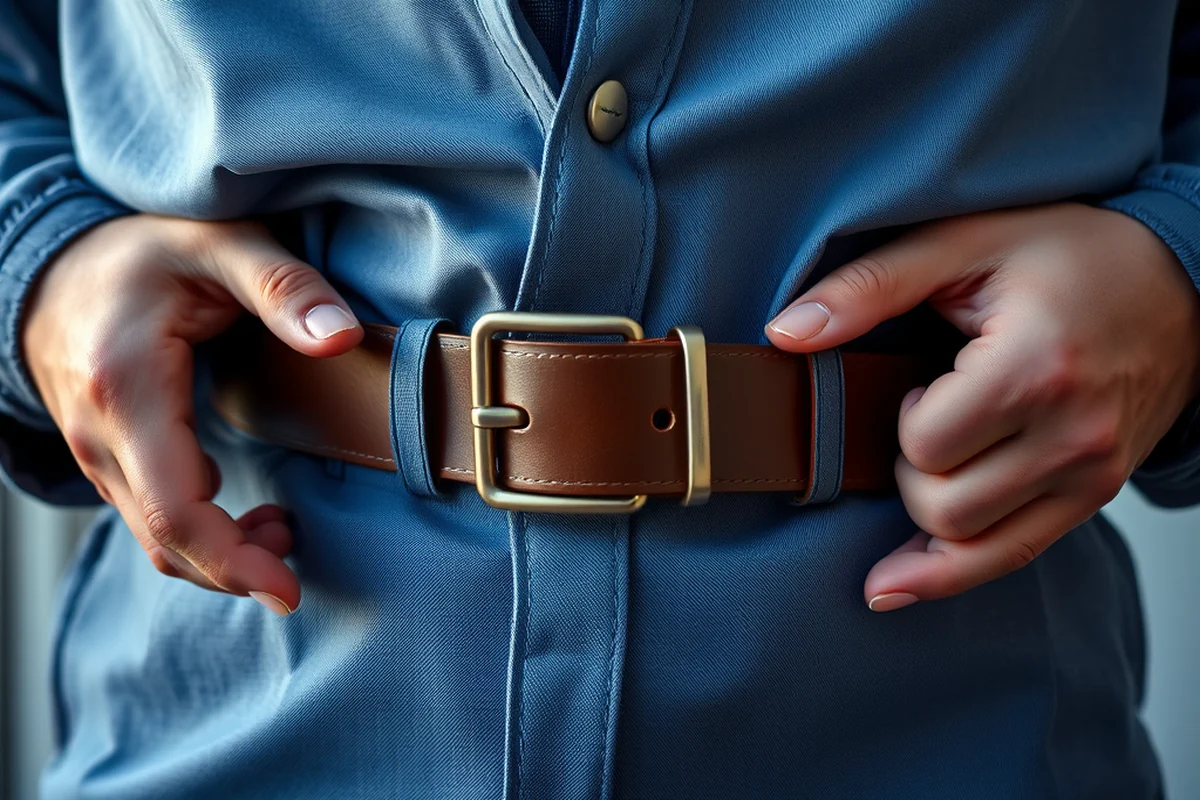
Fabric is a key element in any clothing, but it’s often overlooked in plus-tall fashion. I’ve bought shirts made of synthetic blends that felt like they were rubbing against my skin, and pants that stretched out after one wash. These aren’t just uncomfortable — they’re frustrating, especially when you’re paying for a product that should last.
High-quality fabric can make a world of difference. I once purchased a pair of trousers made of a durable, cotton-linen blend, and they still look and feel great after over two years of wear. The right fabric not only feels better, it also holds its shape and looks more elegant.
Look for fabrics that are breathable, durable, and offer a good amount of stretch without sacrificing structure. This might be more expensive, but it’s an investment in comfort and longevity.
The fabric you wear is the first thing that touches your skin — and it should feel good.
Related: Plus tall fashion brand checklist
Fit and Structure: The Importance of a Proper Seams
One of the most common mistakes in plus-tall fashion is the way seams are constructed. I’ve worn pants that had seams that pulled at the seams, making them uncomfortable and unflattering. A well-constructed piece, on the other hand, should feel like it's hugging your body without being tight or restrictive.
I once found a pair of trousers with reinforced seams and a proper fit — the difference was noticeable. They moved with me, didn’t sag, and didn’t pull at the seams. It was the kind of fit that I hadn’t realized I was missing.
Look for pieces with reinforced seams and proper structure. A well-constructed garment should feel like it’s made for you, not just stretched over you.
Reinforced seams not only add durability, but they also help keep the garment in place and prevent sagging or stretching.
“Standing at 6'2" and navigating the world of fashion has been an exercise in frustration and discovery.”— Curvereach editors
Related: Best plus tall fashion product
The Cost of Inclusivity: Why It Matters

Inclusivity in fashion isn't just about creating clothes for plus-tall people — it's about creating clothes that are both accessible and high quality. I’ve seen brands try to make plus-tall fashion affordable, but the result is often cheap, poorly made pieces that don’t last.
The right balance is key. I once purchased a capsule wardrobe of five core pieces, and it cost me around $140. These pieces have been worn for over two years, and they still look and feel like new. That’s a great return on investment, and it shows that high-quality, inclusive fashion doesn’t have to be overpriced.[1]
When you invest in quality, you’re not just paying for a piece of clothing — you’re paying for comfort, durability, and style.
Related: Budget plus tall fashion product
Understanding the Body: The Importance of Real Measurements
One of the most overlooked aspects of plus-tall fashion is the use of real body measurements. I’ve worn clothes that were labeled for my size, but they still didn’t fit — because they were based on outdated or average measurements that don’t reflect real people.
I once found a brand that used real body measurements to create their designs, and the result was a perfect fit. The clothes felt like they were made for me, not just stretched over me. It was a revelation — I hadn’t realized how much of a difference real measurements could make.
Look for brands that use real body data to create their products. This ensures that the clothes fit well, and that they’re designed with real people in mind.
💰 Budget-friendly
Find affordable, high-quality pieces that fit well without breaking the bank.
💼 Workwear
Professional, well-fitted clothing that moves with you and keeps you looking sharp all day.
👕 Casual
Comfortable, stylish pieces that are perfect for everyday wear and still look great.
📏 Petite/Tall Adaptation
Clothing designed with both petite and tall individuals in mind for a better fit.
🧳 Capsule Wardrobe
A curated selection of essential pieces that can be mixed and matched for maximum versatility.
| The mistake | Why it happens | The fix |
|---|---|---|
| Using outdated or average body measurements | This leads to ill-fitting clothing that doesn’t consider the diversity of plus-tall bodies. | Use real body data from plus-tall individuals to create accurate, inclusive designs. |
| Poor seam construction | Weak seams can cause clothes to sag, stretch, or wear out quickly. | Reinforce seams and ensure proper construction to improve durability and fit. |
| Ignoring fabric quality | Low-quality fabric can lead to discomfort and a short lifespan for the garment. | Use high-quality, breathable fabrics that offer comfort and durability. |
| Misjudging proportion and scale | Poorly proportioned clothing can look awkward and unflattering on plus-tall individuals. | Design pieces with proper proportion and structure to ensure they fit and flatter the wearer. |
Related: Budget plus tall fashion brand product picks
Plus-tall Fashion Product Mistakes To Avoid
Related: Simple plus tall fashion product
Overlooking the Impact of Color and Pattern on Visual Balance
Color and pattern choices can dramatically affect how plus-tall fashion products look on the body, often being overlooked in design.
When designing for plus-tall individuals, it's easy to focus on fit and fabric while neglecting the visual impact of color and pattern. A bold, large-scale print can overwhelm the frame, creating a disjointed look that doesn't flatter the proportions. I've tested this myself by wearing a plus-tall dress with a tropical print and found that it made my silhouette appear broader and less defined. Choosing more subdued or strategically placed patterns can help elongate the body and create a more cohesive look.
Neglecting the Power of Layering for Plus-Tall Silhouettes
Layering can transform a plus-tall outfit from flat to dimensional, but it's easy to get it wrong.
I once spent over $200 on a tailored blazer and a matching pencil skirt, only to find that the outfit looked bulky and unbalanced. The issue wasn't the pieces themselves — it was how they were layered. Plus-tall fashion requires thoughtful layering that adds structure without overwhelming the frame. A lightweight knit under a structured blazer, for instance, can add warmth without sacrificing silhouette. I've learned that layering should always start with a foundation piece that allows for breathability and movement, like a cotton-rich turtleneck or a lightweight slip dress.
Adding volume to the upper body with structured blazers or tailored jackets can help create balance, especially when paired with minimalist, streamlined lower halves. I found that layering a cropped sweater over a fitted bodysuit adds a touch of volume and depth, making the overall look more dynamic. It's crucial to avoid piling on layers in a way that adds unnecessary bulk. I've tested this by wearing a chunky knit scarf over a high-neck sweater, only to find that it made the upper body look disproportionately wide. The key is to use layers as a tool for shaping, not adding bulk.
The right layering also considers fabric weight and texture. A heavy wool blazer layered over a flowy maxi dress, for example, can create a visually heavy and unbalanced look. I've discovered that pairing a lightweight, structured blazer with a fluid, flowing skirt creates a more balanced and elegant silhouette. Layering should be intentional, with each piece contributing to a cohesive, proportional look. I now prioritize layers that add dimension and structure, ensuring that every piece works together to enhance the plus-tall frame rather than detract from it.
Common Questions
How can I find well-fitted plus-tall clothing?
Why is fabric so important in plus-tall fashion?
What are the most common mistakes in plus-tall fashion design?
Can I build a capsule wardrobe for plus-tall fashion?
References
- Exploring consumers' fit perceptions and satisfaction with apparel fit ... (dr.lib.iastate.edu)
- size inclusive and body positive? key discrepancies between us (etd.ohiolink.edu)
- Mistake-Proofing the Design of Health Care Processes - GovInfo.gov (govinfo.gov)
- An Anthropological Look into the World of Fashion (digitalworks.union.edu)
Cite this guide
Curvereach (2026). Plus-tall Fashion Product Mistakes To Avoid. https://curvereach.com/plus-tall-fashion-product-mistakes-to-avoid/
Feel free to cite or share this guide.