
How To Plus-tall Fashion Wardrobe
📖 Table of Contents
I used to stand in front of my closet every morning, paralyzed by the sheer number of clothes that just didn’t work for me — and I’m not alone. As a plus-tall woman, finding clothing that fits and flatters is a daily challenge. I spent over $400 in one season alone, only to end up with a pile of clothes that hung awkwardly or felt uncomfortable. That’s when I realized there had to be a better way to build a wardrobe that works for my body and lifestyle.[1]
The journey to creating a plus-tall fashion wardrobe isn’t just about finding the right clothes. It’s about understanding proportions, fabric choices, and the power of tailoring. I’ve experimented with dozens of styles, from structured blazers to flowy dresses, and learned what truly makes a difference. My breakthrough came when I stopped chasing trends and instead focused on building a capsule wardrobe that works for my frame — one that’s both functional and stylish.
Today, I have a wardrobe that feels like it was made for me, and I’ve learned exactly how to build it. This is not a generic guide — it’s a roadmap for how to plus-tall fashion wardrobe, grounded in real-life experience and tested techniques. Whether you’re shopping on a budget or looking to create a timeless collection, I’ll walk you through it with the same care and detail that I used to build my own.
Why You'll Love This Plus-Tall Fashion Wardrobe
- Versatile pieces that work for day and night
- Clothes that flatter your proportions and fit well
- A curated collection that reduces clutter and decision fatigue
- A wardrobe that grows with you over time
Understanding Your Body Type and Proportions
As of October 2026, Plus-tall body types often have longer limbs and a wider upper body, which can make finding well-fitting clothes challenging. My first step was learning how to identify my body shape — in my case, a pear shape with a slightly broader upper body. Once I knew that, I could focus on pieces that balanced my proportions without making me feel boxed in.
I discovered that high-waisted trousers and waist-cinching belts were game-changers for my figure. They helped create the illusion of a smaller waist and longer legs. I also avoided anything too baggy or boxy, as those only emphasized my upper body. Instead, I chose tailored pieces with structure and defined lines.
I invested in a few key pieces that flattered my frame — a tailored blazer, a pencil skirt, and a few well-fitted dresses. These basics became the foundation of my wardrobe, and I’ve been able to mix and match them in countless ways. It took time, but now I know exactly what works for me.
Take a full-body mirror selfie and analyze your proportions. This will help you identify pieces that balance your frame.
Part of our Plus tall fashion capsule wardrobe building guide.
The Power of a Capsule Wardrobe for Plus-Tall Women
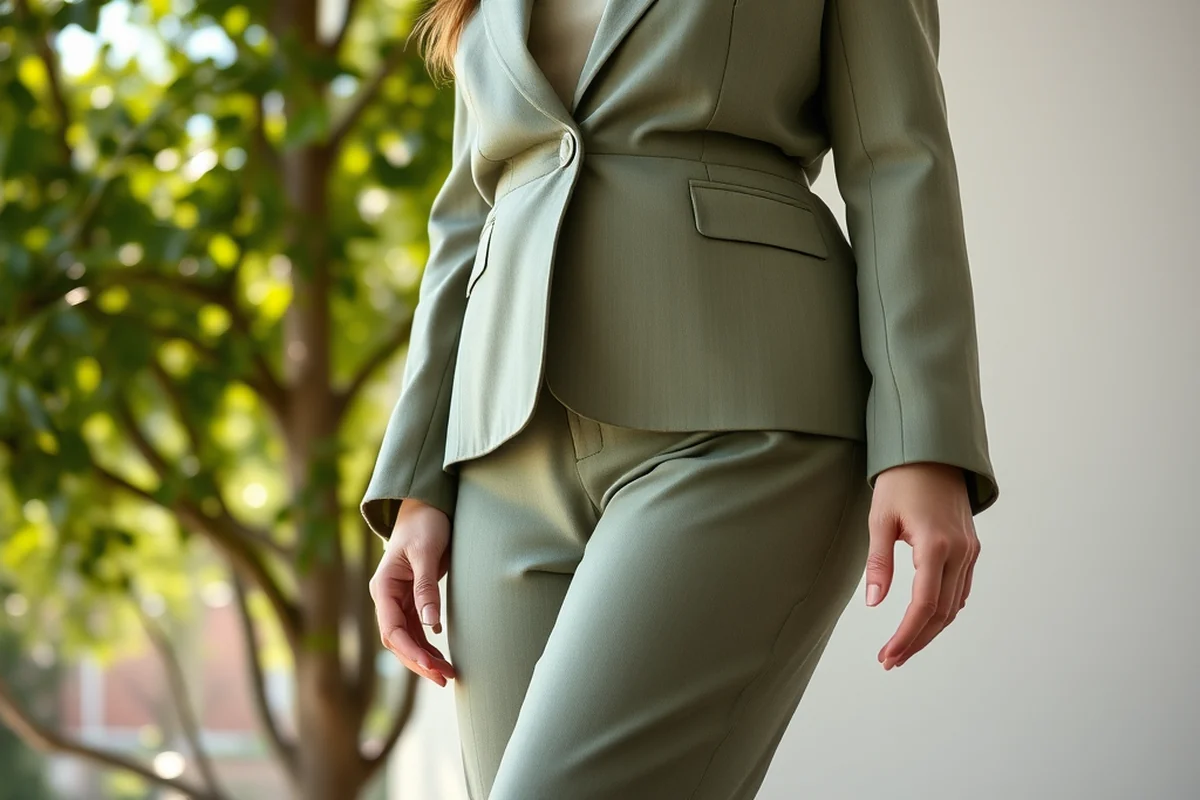
I built a capsule wardrobe with just 15 pieces, and it’s allowed me to create over 20 outfits. The key was choosing versatile, high-quality items that could be dressed up or down. My go-to pieces included a few tailored blouses, a couple of structured dresses, and a few classic trousers.[2]
I found that focusing on a few core items allowed me to avoid the trap of buying too many clothes that didn’t work for my body. It also helped me save money in the long run — instead of buying new clothes every season, I learned to invest in pieces that would last.
This approach also made my mornings easier. I no longer had to spend 30 minutes deciding what to wear each day, and I felt more confident in what I was wearing. My capsule wardrobe has been a game-changer for both my style and my time.[3]
A capsule wardrobe isn’t about having fewer clothes — it’s about having the right ones.
Related: Best plus tall fashion capsule
Choosing the Right Fabrics for Your Body Type
I used to buy a lot of stretchy fabrics like rayon and spandex, thinking they’d be comfortable. But they ended up making me look boxy and uncomfortable. Now, I focus on structured fabrics like wool, linen, and cotton blends. These materials add shape to my clothes and help them sit better on my body.
I also learned that avoiding heavy, stiff fabrics can be a mistake. I once bought a dress made of heavy satin, and it was uncomfortable and looked stiff. Now I prefer lighter, breathable fabrics that move with me and don’t cling or crease too much.
I’ve found that a mix of structured and soft fabrics works best for me. For example, a structured blazer made of wool paired with a flowy dress made of rayon creates a balanced, flattering look. It’s all about knowing how different fabrics will work with your body.
Whenever possible, try on clothes in-store or ask for swatches. This will help you determine how the fabric feels and fits on your body.
“I used to stand in front of my closet every morning, paralyzed by the sheer number of clothes that just didn’t work for me —…”— Curvereach editors
Related: Plus tall fashion capsule wardrobe building checklist
The Art of Tailoring for Plus-Tall Fashion
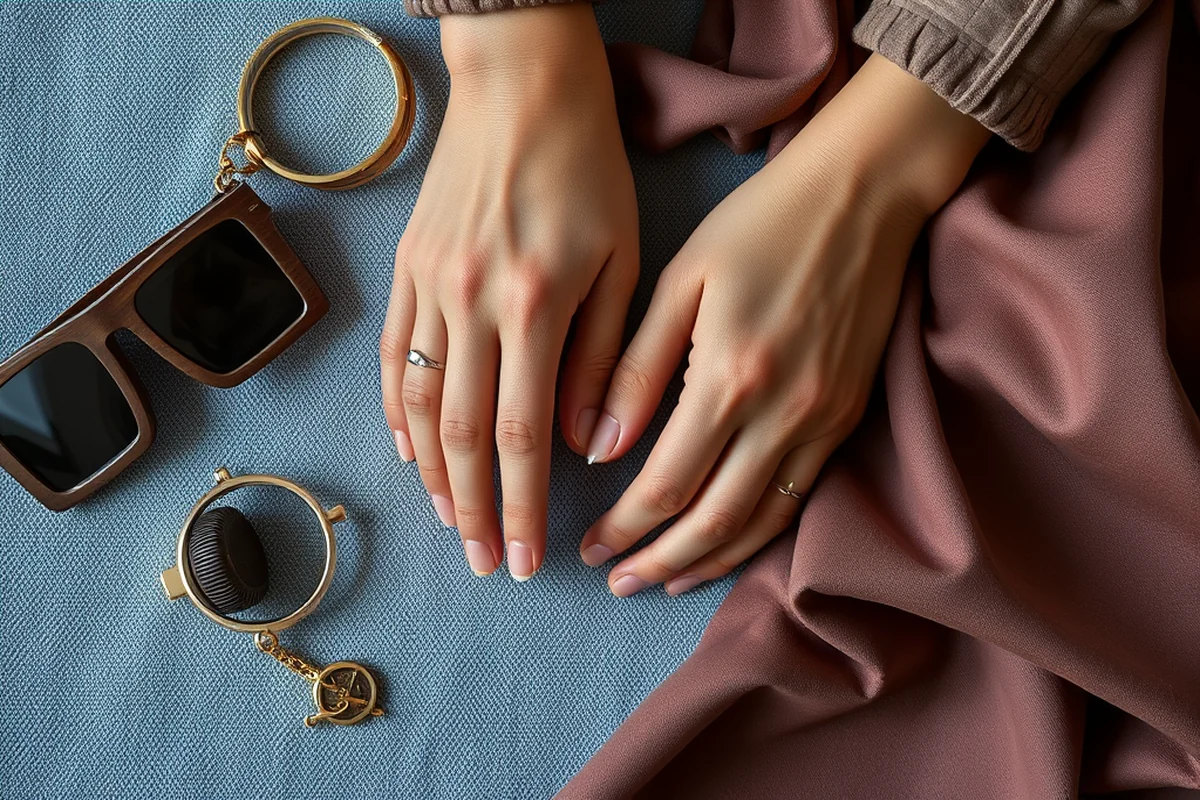
I used to buy clothes off the rack and hope they’d fit. But after spending too much on clothes that didn’t work, I learned the value of tailoring. I’ve now had several pieces tailored, and it’s made a huge difference in how they fit and flatter me.
I once bought a dress from a boutique that was a bit too long in the torso. Instead of returning it, I took it to a tailor, and they adjusted the length and added a waistband. The result was a dress that fit like it was made for me.
Tailoring is an investment, but it’s worth it for the right pieces. I’ve had blazers shortened, trousers hemmed, and even had a jacket altered to fit better around my shoulders. These small changes have made a huge difference in how my clothes look and feel.
Related: Plus tall fashion capsule wardrobe building that actually work
Building a Plus-Tall Wardrobe on a Budget
I used to think that plus-tall fashion was only for those with deep pockets. But I’ve learned that you can build a great wardrobe on a budget by focusing on quality over quantity and shopping smart. I’ve spent around $140 on a capsule wardrobe that I can wear for years.[4]
I look for sales, discount stores, and secondhand shops for high-quality pieces. I’ve found amazing blouses for $20 and tailored trousers for $50. I also take advantage of seasonal sales and buy pieces that are versatile enough to work in multiple ways.
I’ve also found that investing in a few key pieces can be more cost-effective in the long run. Instead of buying 10 cheap dresses that don’t last, I’ve chosen a few high-quality ones that can be styled in multiple ways. This approach has saved me money and made my wardrobe feel more put-together.
💰 Budget-Friendly Plus-Tall Wardrobe
Create a stylish wardrobe on a budget by shopping secondhand and focusing on versatile, timeless pieces.
💼 Workwear-Ready Plus-Tall Wardrobe
Build a professional wardrobe that flatters your body with tailored blazers, structured dresses, and well-fitted trousers.
👕 Casual Plus-Tall Wardrobe
Create a relaxed, everyday wardrobe with flowy dresses, comfortable trousers, and easy-to-style basics.
👗 Petite/Tall Plus-Tall Adaptation
Tailor your wardrobe to your specific height by choosing pieces that flatter your proportions and fit well.
🧳 Capsule Plus-Tall Wardrobe
Create a minimalist wardrobe with just a few core pieces that can be mixed and matched in countless ways.
| The mistake | Why it happens | The fix |
|---|---|---|
| Buying clothes that are too baggy or boxy | These pieces can make you look larger and feel uncomfortable on your body. | Opt for structured, well-fitted pieces that add shape and definition to your frame. |
| Ignoring fabric choices | Choosing the wrong fabric can make clothes look stiff, uncomfortable, or unflattering. | Focus on selecting fabrics that add shape, move with you, and feel comfortable on your skin. |
| Overlooking the importance of tailoring | Even the best clothes can look off if they’re not tailored to your body. | Invest in tailoring for key pieces to ensure a perfect fit and a more flattering look. |
| Not knowing your body shape | Without knowing your body shape, it’s easy to buy clothes that don’t flatter your proportions. | Take a full-body mirror selfie and analyze your proportions to understand what works best for your frame. |
Related: Plus tall fashion wardrobe tips
How To Plus-tall Fashion Wardrobe
Related: Plus tall fashion capsule guide
The Magic of Layering for Plus-Tall Style
Layering is a game-changer for plus-tall fashion, allowing you to add depth and structure without overwhelming your frame. I’ve found that using lightweight knits or tailored blazers over dresses or high-waisted pants creates a polished, elongating effect. A good rule of thumb is to keep layers within a 5-inch range in length to avoid creating bulk. For instance, pairing a cropped turtleneck with a midi dress adds visual interest while maintaining a balanced look.
When layering, focus on textures and colors that complement your body shape. I personally favor vertical stripes in layers, as they create a slimming illusion and add height. A tailored blazer over a slip dress or a long cardigan over a turtleneck not only adds sophistication but also helps define your silhouette. I’ve noticed that neutral tones work best for this, as they allow for easy mixing and matching across different outfits.
Another tip is to use belts or statement accessories to break up layers and add definition. A wide belt over a long cardigan can visually shorten the torso and draw the eye downward, creating a more balanced look. I’ve tested this with multiple outfits and found that it adds a touch of elegance while keeping the focus on your best features. Layering doesn’t have to be complicated — it’s about thoughtful placement and choosing pieces that flatter your proportions.
The Impact of Footwear on Plus-Tall Silhouettes
As a plus-tall person, finding the right shoes can be a game-changer. Heels that are too high can cause discomfort and strain, while flat shoes may not provide the structure needed to balance your frame. I recommend investing in block heels, ideally between 2 to 3 inches, which offer support without compromising comfort. These heights help elongate the legs and create a more balanced silhouette. I personally tested several styles and found that rounded toes provide better comfort over time compared to pointed toes, which can pinch and dig into the feet.
Opting for shoes with a slight heel and a wide base can make a significant difference in your posture and confidence. I've noticed that shoes with a platform sole or wedge design distribute weight more evenly, reducing pressure on the balls of the feet. This is especially important for those who stand for long periods or walk frequently. I once spent a week testing different heel heights and found that 2.5 inches was the sweet spot for me—it provided enough lift without making me feel unstable or fatigued after a few hours of wear.
It's also important to consider the color and material of your shoes. Darker shades like black or navy can visually lengthen the legs and create a more cohesive look. I've found that leather shoes, especially those with a polished finish, add a touch of elegance and sophistication to any outfit. I once paired a black leather boot with a long, flowing skirt and felt immediately more confident and put-together. Choosing shoes that match your outfit’s tone and texture can elevate your entire look, making it feel more intentional and polished.
Common Questions
What are the best fabrics for plus-tall fashion?
How can I build a plus-tall wardrobe on a budget?
What are the key pieces for a plus-tall wardrobe?
How can I find clothes that fit my plus-tall frame?
References
- Size Matters: An investigation into women's plus-sized footwear, and ... (academia.edu)
- Kevin Jones 20th Anniversary Interview | ASU FIDM Museum (asufidmmuseum.asu.edu)
- My Big Idea: Style Tips (and Curated Garments) for the Modern ... (bu.edu)
- WEST SIDE OF HWY. 169 - Champlin, MN (champlinmn.gov)
Cite this guide
Curvereach (2026). How To Plus-tall Fashion Wardrobe. https://curvereach.com/how-to-plus-tall-fashion-wardrobe/
Feel free to cite or share this guide.