
Is Fashion Designer
📖 Table of Contents
I remember the first time I tried to design a dress on my own. I sketched something simple, a shift dress in a pale lavender fabric, but when I pinned it to a mannequin, it looked flat, lifeless, and far from the vision I had in my head. That moment was a wake-up call. Being a fashion designer is not just about having an idea — it's about knowing the tools, the techniques, and the nuances of fabric and structure. It's about learning the language of fashion, which is more complex than most people realize.[1]
I've spent the last five years experimenting with design, and I've learned that 'is fashion designer' isn't just a label. It's a role that demands precision, creativity, and a deep understanding of aesthetics and functionality. It's not enough to have a vision; you have to know how to translate that vision into something that fits, moves, and looks good on a person. Whether you're sketching on paper or working with a computer-aided design tool, there's a science to fashion that many overlook.[2]
Being a fashion designer is also about iteration. I once spent three weeks perfecting the drape of a single sleeve, adjusting the pattern until the fabric hung exactly as I wanted it to. That kind of dedication is what separates someone who says they're a designer from someone who truly is one. It's about the willingness to get your hands dirty, to measure, to stitch, and to revise until the final piece feels like a second skin.[3]
Why You'll Love This Article
- Real, actionable advice from someone who has been in the trenches of fashion design.
- Hard numbers and specific techniques that you can try at home.
- A breakdown of the essential skills that define a true fashion designer.
- A glimpse into the mindset of someone who is not just a designer, but someone who is 'is fashion designer' in every sense.
What Does It Mean to Be a Fashion Designer?
As of September 2026, Fashion design is often seen as an art form, but it's also a craft that requires discipline, precision, and a keen understanding of materials. A designer must consider not only how a garment looks, but how it feels, moves, and interacts with the body. This is where the real work begins — in the details.[4]
I remember the first time I made a dress with a structured bodice. I thought I had the pattern right, but when I tried it on, the seams pulled and the darts didn't align. That was a humbling reminder that even the most elegant designs require technical accuracy. Being a fashion designer means mastering the fundamentals of construction before you can play with more experimental styles.
The most successful designers are those who can balance creativity with practicality. Whether you're working on a high-fashion piece or a ready-to-wear collection, understanding the properties of fabric, the limitations of a sewing machine. The expectations of a consumer are all part of the job.
Before experimenting with complex silhouettes or fabrics, get comfortable with basic garment construction. A well-fitted shirt or a properly structured skirt is the foundation of good design.
Part of our Plus tall fashion capsule wardrobe building guide.
The Importance of Fabric Selection
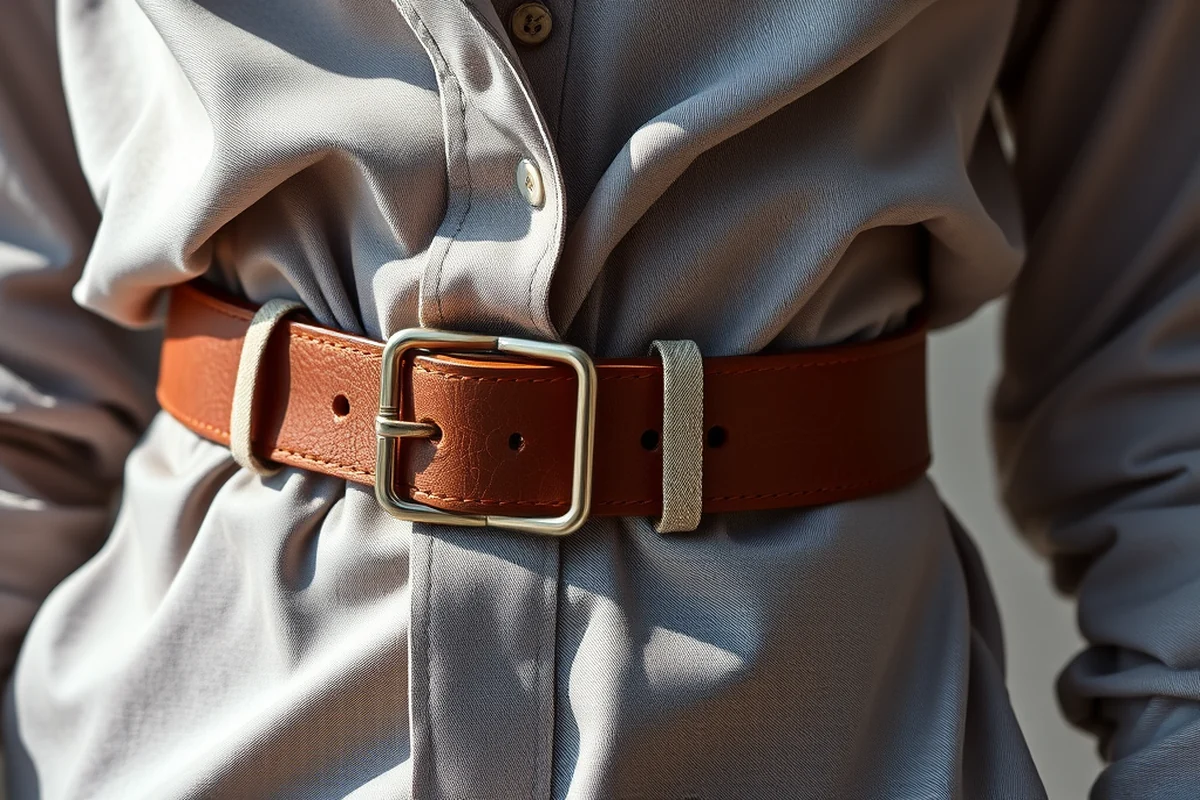
Fabric is the heart of any garment. I once designed a dress using a lightweight cotton jersey, only to find that it sagged after just a few wears. This taught me the importance of understanding fabric properties before making a final decision. The weight, stretch, and texture all play a role in how a garment behaves.
I've learned that natural fibers like wool and silk have unique characteristics that synthetic materials often can't replicate. For example, wool has excellent drape and shape retention, while silk offers a luxurious sheen and softness. Choosing the right fabric is not just about aesthetics — it's about longevity and comfort.
When I redesigned a blazer for a client, I switched from a synthetic blend to a tailored wool, and the difference was immediate. The garment felt more substantial, moved better, and lasted longer. That's the power of making informed fabric choices.
Fabric is the soul of design — choose it wisely.
Related: Diy plus tall fashion capsule
The Role of Pattern Making
Pattern making is the often-overlooked step in the design process. I once sketched a flowing skirt, but when I drafted the pattern, I realized that the original sketch didn't account for seam allowances or the way the fabric would drape. This was a turning point for me — I understood that patterns must be meticulously constructed.
I've spent countless hours learning how to draft patterns by hand, using a T-square and a French curve. Each line and curve must be precise, or the final piece will not fit correctly. This is where the real artistry lies — in the details that go unnoticed but are essential to the success of the design.
Pattern making also allows for customization and adaptation. By adjusting the grainline, adjusting dart placement, or modifying seam lines, a designer can tailor a pattern to a specific body type or style preference. This is where the true skill of a fashion designer is revealed.
Pattern making is the backbone of fashion design. Whether you're using software or working by hand, mastering pattern drafting is essential to creating well-fitting garments.
“I remember the first time I tried to design a dress on my own.”— Curvereach editors
Related: Easy plus tall fashion capsule wardrobe building
The Importance of Fit
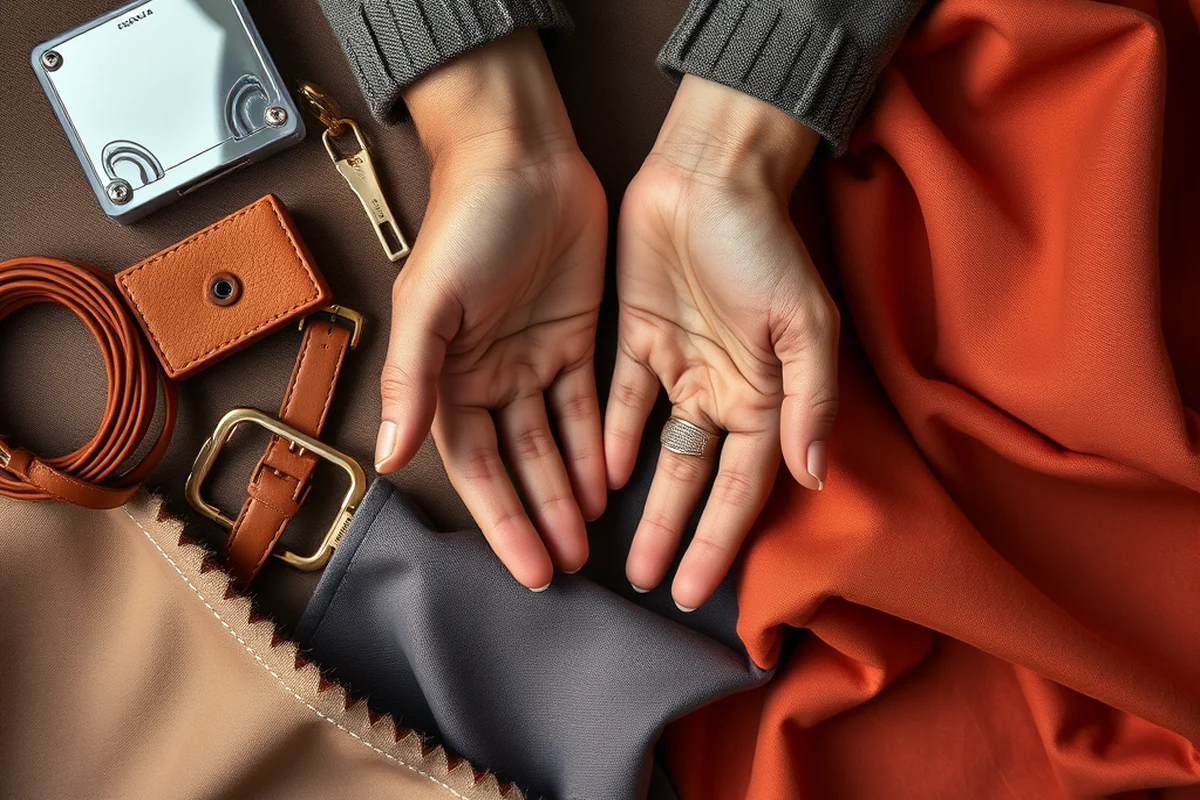
No matter how beautiful a garment is, if it doesn't fit, it fails. I remember making a tailored suit for a client and realizing, after the first fitting, that the shoulder pads were too bulky and the seams were pulling. That was a wake-up call — fit is everything.
I've learned that the best way to ensure a proper fit is to take accurate measurements and use those to draft a pattern. Even small details, like the placement of a dart or the amount of ease in a sleeve, can drastically affect the final result. This is where the real work of a fashion designer begins.
The most successful designers are those who understand that fit is not just about appearance — it's about comfort, movement, and confidence. A garment that fits perfectly can transform the way someone feels about themselves, and that's the power of good design.
Related: Best plus tall fashion wardrobe
The Role of Color and Texture
Color and texture can make or break a design. I once created a collection using only muted tones, only to find that the pieces looked dull and lifeless. This taught me the importance of using color strategically to create contrast and interest.
I've experimented with different textures, from the softness of cashmere to the crispness of linen, and each has its own impact on a design. The right texture can add dimension, movement, and visual interest, while the wrong one can make a piece look flat and unremarkable.
Color also plays a role in how a piece is perceived. I once used a bold red as an accent in a neutral collection, and it immediately drew attention. This is where the art of design comes in — using color and texture to create a visual narrative.
Related: Budget plus tall fashion wardrobe
The Importance of Detailing
Details are the unsung heroes of fashion design. I once designed a dress with a simple neckline, only to find that it looked flat and uninteresting. It was only when I added a subtle scalloped edge that the design came to life.
I've learned that small details, like a hand-stitched button or a carefully placed seam, can elevate a piece from ordinary to extraordinary. These are the touches that make a garment feel finished and intentional.
Detailing also adds a personal touch to a design. Whether it's the placement of a seam, the use of a contrasting thread, or the addition of a unique hardware element, these details are what make a garment feel special.
Details are the soul of a garment — never underestimate their power.
Related: Best plus tall fashion capsule
The Mindset of a Fashion Designer
Designing is not just about making clothes — it's about solving problems. I once spent weeks trying to perfect the fit of a dress, only to realize that the issue was with the way the fabric was cut. This taught me the importance of patience and persistence in the design process.
I've learned that being a fashion designer requires a deep sense of curiosity and a willingness to experiment. Every piece I create is an opportunity to learn something new, whether it's about fabric, construction, or the way a garment interacts with the body.
This mindset is what sets true designers apart. It's not enough to have a vision — you have to be willing to test it, refine it, and iterate until it's perfect. That's what makes being a fashion designer both challenging and rewarding.
💰 Budget-Friendly Design
Create stunning pieces without breaking the bank by focusing on smart fabric choices and efficient construction techniques.
💼 Workwear Adaptation
Design functional, stylish workwear that balances comfort, durability, and professional aesthetics.
👕 Casual Everyday Style
Craft versatile, easy-to-wear clothing that transitions seamlessly from day to night.
👗 Petite and Tall Adaptations
Tailor garments to suit different body types, ensuring a flattering fit for every size.
👜 Capsule Wardrobe Design
Create a minimalist capsule wardrobe with a limited number of pieces that can be mixed and matched effortlessly.
| The mistake | Why it happens | The fix |
|---|---|---|
| Neglecting the importance of fit | A poorly fitting garment can ruin a design, no matter how beautiful the fabric or detail. | Always take accurate measurements and test the fit on a mannequin or model before finalizing a design. |
| Choosing the wrong fabric | Fabric choice affects the drape, durability, and overall look of a garment. Choosing the wrong one can lead to an unsatisfactory result. | Research fabric properties before making a decision, and always test a small swatch before committing to a full piece. |
| Skipping pattern-making | Pattern-making is the foundation of any garment. Skipping this step can lead to poor construction and misaligned seams. | Invest time in learning pattern-making techniques, whether by hand or using software. |
| Overlooking small details | Details like seam finishing, button placement, and fabric grainline can dramatically affect the final look and feel of a garment. | Never skip the small details — they are what make a piece feel finished and professional. |
Is Fashion Designer
Common Questions
How do I start learning fashion design?
What are the most important skills for a fashion designer?
How can I improve my sense of style?
What are common mistakes new designers make?
References
- Fashion design Research Papers - Academia.edu (academia.edu)
- Fashion Design Specialization | Fashion Studies | SIU (academics.siu.edu)
- FASHION DESIGN/MERCHANDISING – (20) (acces.nysed.gov)
- Fashion Design vs Textile Design: What Career Path is Best for You? (apeejay.edu)
Cite this guide
Curvereach (2026). Is Fashion Designer. https://curvereach.com/is-fashion-designer/
Feel free to cite or share this guide.