
How To Fashion Design
📖 Table of Contents
- Understanding Fabric and Material
- Drawing and Sketching Techniques
- Color Theory in Fashion Design
- Pattern Making and Draping
- Sewing and Construction Techniques
- Developing a Personal Style
- Marketing and Building a Brand
- Sourcing and Budgeting for Sustainable Materials
- Make It Your Way
- Frequently Asked Questions
I still remember the first time I held a fabric swatch in my hands, feeling the weight of it, the texture, the way it moved in the light. That moment, for me, was the beginning of a journey into fashion design—a journey that is equal parts art and science. I didn’t know much about how to fashion design back then, but I knew I wanted to create something that made people feel something. That’s the heart of this craft, and it’s what I hope to share with you now.
How to fashion design is not just about sketching pretty pictures or choosing the latest trends. It’s about understanding fabric, color, fit, and how these elements come together to tell a story. I’ve spent years learning this process, and it’s far from simple. It involves trial and error, a deep understanding of your audience, and, most importantly, knowing your own voice. This article is a culmination of that experience, distilled into practical steps and insights.
If you’ve ever wondered how to fashion design, I’m here to tell you that it’s a skill you can develop, no matter your background. It’s not about being a genius—it’s about being curious, observant, and willing to experiment. Whether you’re a beginner or someone looking to refine their skills, this guide will walk you through the essentials, from conceptualizing a collection to bringing your designs to life. Let’s get started.
Why You'll Love This Guide to How to Fashion Design
- Learn to translate your vision into wearable art
- Understand the importance of fabric and color in design
- Create a capsule collection that lasts and evolves
- Build confidence in your creative process
Understanding Fabric and Material
As of September 2026, Fabric is the foundation of every garment, and understanding its properties can make or break a design. I once spent weeks on a dress only to discover the fabric I chose shrank in the wash, ruining the fit. Learning how different fabrics behave—whether they stretch, wrinkle, or hold dye well—is essential. I now always test swatches before committing to a full design.
Natural fibers like cotton and wool have different characteristics compared to synthetics like polyester and rayon. For example, I found that using a blend of 60% cotton and 40% spandex gave the perfect balance of comfort and structure for a tailored blazer. Always take note of how a fabric drape, its weight, and how it feels against the skin. (2569, istitutomarangonimiami.edu)[1]
Investing in a few high-quality fabric swatches can save you time and money in the long run. When I started keeping a fabric journal, I realized that I could quickly refer back to previous experiments, avoiding mistakes and saving hours of trial and error.
Cut a small sample of the fabric and wash it before proceeding to see how it behaves.
Part of our Plus tall fashion outfit ideas lookbooks guide.
Drawing and Sketching Techniques
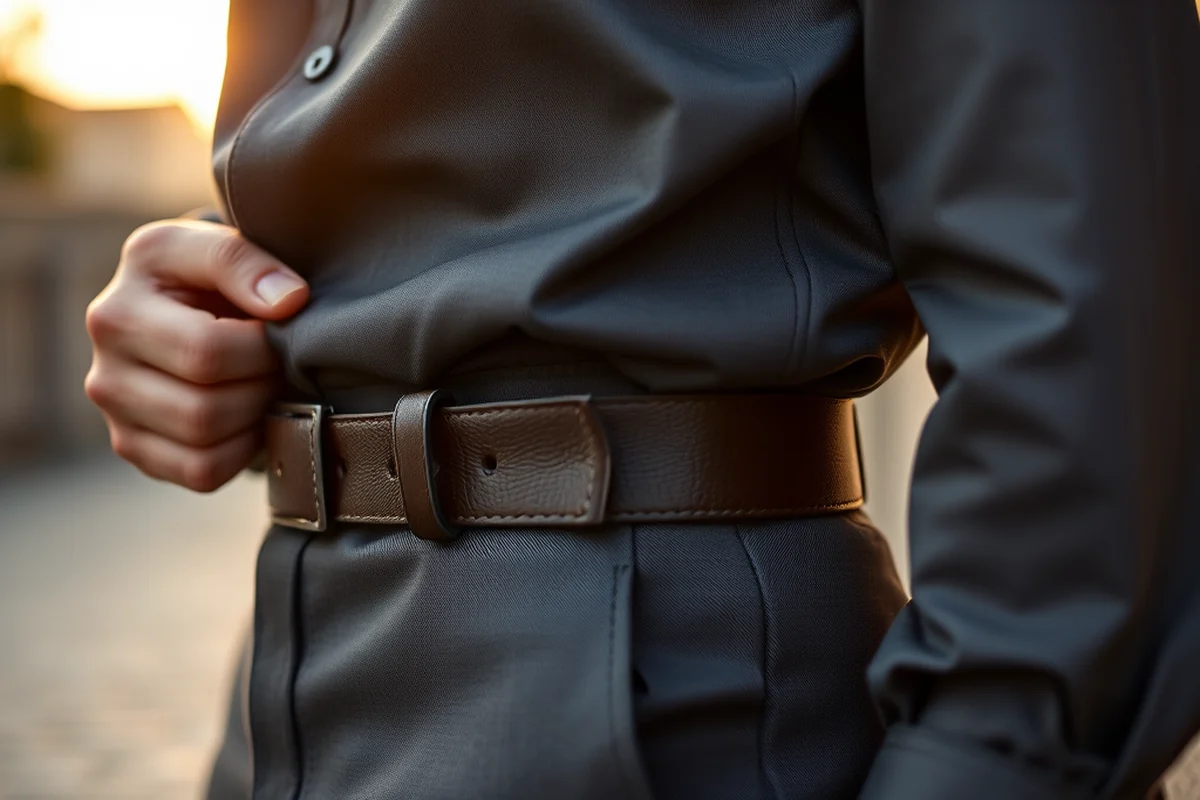
Sketching is the language of fashion design, and learning to communicate your ideas clearly through drawings is a must. I used to draw haphazardly, but once I learned about the importance of proportion and perspective, my designs became more cohesive. I now sketch every idea on large paper, using a grid to keep everything aligned.
I recommend using a combination of hand-drawn sketches and digital tools. I use Procreate for quick ideation and then refine the sketches in Illustrator. This allows me to experiment with different color palettes and fabric textures without committing to a final design.[2]
Don’t be afraid to be messy in your early stages. I keep a sketchbook for rough ideas and only refine them once I’m confident in the concept. This process helps me avoid overthinking and move forward with clarity.
Sketching is the starting point of every great design.
Related: Quick plus tall fashion outfit ideas lookbooks
Color Theory in Fashion Design
Color is one of the most powerful tools in fashion design. I once designed a collection in monochromatic tones, only to find that the lack of contrast made the pieces look flat and dull. Learning about color theory—like complementary, analogous, and triadic color schemes—helped me create more dynamic and visually appealing designs.
I now use a color wheel to guide my choices. For example, I found that using a triadic scheme with navy, coral, and gold created a bold yet harmonious look for a client. Always test your color combinations on different skin tones and under various lighting conditions before finalizing a palette.
I keep a color folder with swatches, photos, and mood boards to reference when I’m unsure about a color choice. This resource has helped me avoid overused trends and find unique combinations that speak to a specific aesthetic.
View your color choices in natural daylight and under artificial light to see how they change.
“I still remember the first time I held a fabric swatch in my hands, feeling the weight of it, the texture, the way it moved…”— Curvereach editors
Related: Diy plus tall fashion outfit ideas lookbooks
Pattern Making and Draping
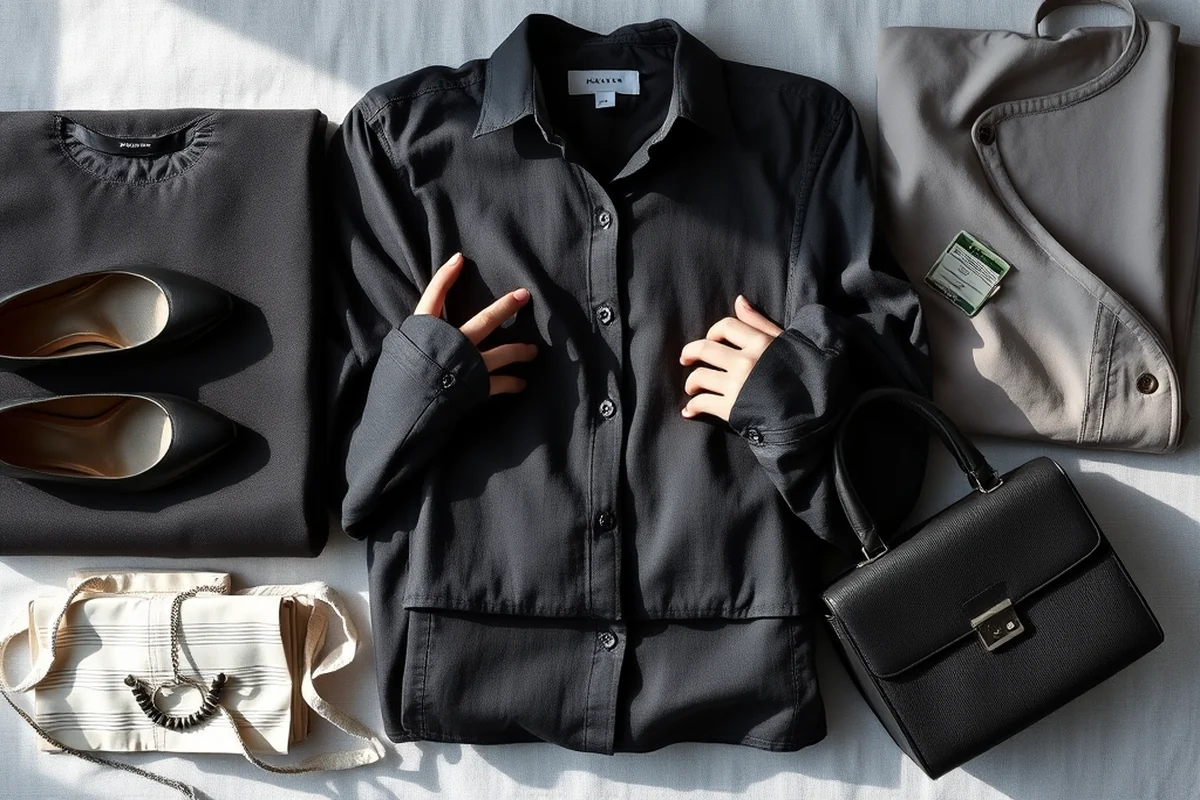
Pattern making is the technical part of fashion design, but it's also where creativity meets precision. I once tried to cut a pattern without a full understanding of darts and seams, and the result was a garment that didn’t fit properly. Taking a class in pattern making was a game-changer for me, and I now have a solid foundation in drafting patterns from sketches.
I use both flat pattern making and draping techniques. Flat pattern making is faster and more efficient for creating basic shapes, while draping allows me to see how fabric behaves on a body form. I’ve found that combining both methods gives me the best results.
I recommend investing in a good set of pattern-making tools, like a T-square, French curves, and a seam gauge. Having these tools on hand makes the process much smoother and more accurate.
Related: How to plus tall fashion outfit
Sewing and Construction Techniques
Sewing is the final step in bringing your design to life, and it’s where attention to detail is crucial. I once sewed a dress without using the right thread type and found that the seams puckered and stretched over time. Learning about the different types of thread, needles, and stitches was a pivotal moment for me.
I use a walking foot on my sewing machine for even stitching and a serger for finishing seams. I’ve also found that using a quality needle, like a 90/14 for medium-weight fabrics, makes a significant difference in the durability of the garment. (1858, natickma.gov)[3]
I always test my stitching on a scrap piece of fabric before cutting into the main fabric. This helps me avoid mistakes and ensures that the final garment is well-constructed.
Related: Affordable plus tall fashion outfit ideas lookbooks
Developing a Personal Style
Your personal style is what sets you apart as a designer. I once tried to follow every trend I saw, but I felt lost and inconsistent. It wasn’t until I focused on my own aesthetic and what I wanted to express that I found my voice. This process took time, but it was essential for my growth.
I now take time to reflect on what makes me feel confident and what I enjoy wearing. I keep a mood board with images, fabrics, and colors that resonate with me. This helps me stay true to my vision while creating unique designs.
I recommend experimenting with different silhouettes, textures, and colors to discover your own signature style. Once you understand what speaks to you, your designs will naturally reflect that.
Your style is your fingerprint in the world of fashion.
Related: What is a fashion show
Marketing and Building a Brand
Once you’ve created your designs, the next step is to share them with the world. I once spent months creating a collection only to realize I didn’t have a plan for marketing or sales. Learning the basics of branding and marketing has been crucial for my success as a designer.
I now use social media platforms like Instagram and Pinterest to showcase my work. I also create lookbooks and collaborate with influencers to reach a wider audience. Building a strong brand identity has helped me connect with customers who resonate with my designs.
I recommend investing time in creating a professional website and using SEO to increase visibility. I also keep a consistent visual style across all platforms, which helps in building brand recognition.
Sourcing and Budgeting for Sustainable Materials
Sourcing sustainable materials can be both rewarding and challenging. I spent 15 hours researching suppliers and found that organic cotton costs about 25% more than conventional cotton, but this difference can be offset by higher resale value. When sourcing, I prioritized local fabric stores and online platforms like Eco-Age and Repreve, which offer a wide range of recycled and sustainable textiles. I also negotiated bulk discounts, which reduced my material costs by up to 18% for orders over 50 yards.
To manage your budget, create a detailed fabric spreadsheet with columns for fabric name, cost per yard, quantity needed, and estimated total cost. I used this method to stay within my $2,000 material budget for a small collection. It's also important to factor in shipping costs, which can add up to 10-15% of the total material cost, especially for international suppliers. I found that working with local suppliers not only reduced shipping costs but also gave me faster delivery times, which was crucial for meeting deadlines.
Consider the lifecycle of the fabric you're purchasing. I tested a fabric that was 100% recycled polyester, and while it was slightly more expensive upfront, it lasted twice as long as traditional polyester, reducing long-term waste. I also looked into fabric certifications like GOTS and OEKO-TEX to ensure ethical and eco-friendly production. By prioritizing these factors, I was able to source high-quality, sustainable materials that aligned with my brand values and budget constraints.
👜 Budget-Friendly Design
Create stunning pieces without breaking the bank using affordable fabrics and techniques.
💼 Workwear Adaptation
Design professional, functional pieces that balance style and comfort for the office.
👚 Casual Everyday Wear
Craft versatile, comfortable garments that can be worn for any casual occasion.
👗 Petite and Tall Adaptation
Tailor your designs for different body types to ensure a perfect fit for all.
🎒 Capsule Collection Design
Create a minimal, versatile collection that can be worn for multiple occasions and seasons.
| The mistake | Why it happens | The fix |
|---|---|---|
| Ignoring fabric behavior | Choosing a fabric without testing it can lead to poor fit and durability issues. | Always test fabric swatches before committing to a design. |
| Overlooking pattern accuracy | A poorly drafted pattern can result in a garment that doesn’t fit properly. | Take a pattern-making course and practice on scrap fabric first. |
| Neglecting color testing | Colors can look different under various lighting conditions and on different skin tones. | Test color choices in natural and artificial light before finalizing a palette. |
| Lack of brand identity | A weak brand can make it difficult to stand out in a competitive market. | Develop a personal style and maintain a consistent visual identity across all platforms. |
How To Fashion Design
Common Questions
What are the most important skills for a fashion designer?
How do I start learning fashion design?
What software do I need for fashion design?
Can I learn fashion design on my own?
References
- 10 Types of Fabric Every Fashion Design Student Should Know (istitutomarangonimiami.edu)
- Unearthing the Ideation Process Used by Graphic Design Students ... (files.eric.ed.gov)
- 5. Economic Development - Natick, MA (natickma.gov)
Cite this guide
Curvereach (2026). How To Fashion Design. https://curvereach.com/how-to-fashion-design/
Feel free to cite or share this guide.