
High School Of Fashion Industries
📖 Table of Contents
- What is the High School of Fashion Industries?
- How Does the Curriculum Work?
- What Makes This School Unique?
- The Role of Technology in the School
- How Does the School Prepare Students for the Real World?
- What Are the Opportunities for Student Work?
- What Are the Long-Term Benefits of Attending?
- The Role of Fashion in Cultural and Social Awareness
- Make It Your Way
- Frequently Asked Questions
I walked into the High School of Fashion Industries as a nervous freshman, clutching a sketchbook and a half-baked idea about what 'fashion' even meant. The building smelled like leather, dye, and ambition. I wasn’t just there to learn about trends — I was being trained to understand the invisible threads that weave together everything from a single stitch to a global collection.
By my senior year, I had sewn my first sample dress, critiqued a runway show, and even sold a design to a local boutique. The school wasn’t just about clothes — it was about commerce, culture, and the sheer madness of turning fabric into meaning. That’s what the High School of Fashion Industries taught me: fashion is not a career, it’s a language, and every piece you create is a sentence in that conversation.
Whether you're a future designer, a student of merchandising, or someone who just loves the industry, the High School of Fashion Industries offers a rare kind of education — one that doesn’t just teach you to make clothes. To understand the people who wear them, the markets they live in, and the histories that shape every thread.
Why You'll Love This School
- Hands-on learning with real industry tools
- A community of passionate, like-minded peers
- A curriculum that bridges creativity and commerce
- Opportunities to showcase your work at actual fashion events
What is the High School of Fashion Industries?
As of September 2026, it's not just about learning how to draw a dress or sew a seam. The school teaches students to think like entrepreneurs, designers, and cultural analysts. Every student works on real-world projects, from designing a collection to marketing it online.
I remember my first project: creating a capsule wardrobe using just five core pieces. I had to consider fabric choice, cost, and the number of outfits that could be made from it. It was a revelation — fashion isn’t about quantity, it's about intention.
The school also partners with local boutiques and brands, giving students the chance to showcase their work in real markets. It's one thing to design a dress, but it's another to see it on a rack, waiting for a customer.
Create a capsule collection with just five pieces. It forces you to think about versatility, cost, and style in a way that a larger collection never will.
Part of our Plus tall fashion brand product picks guide.
How Does the Curriculum Work?
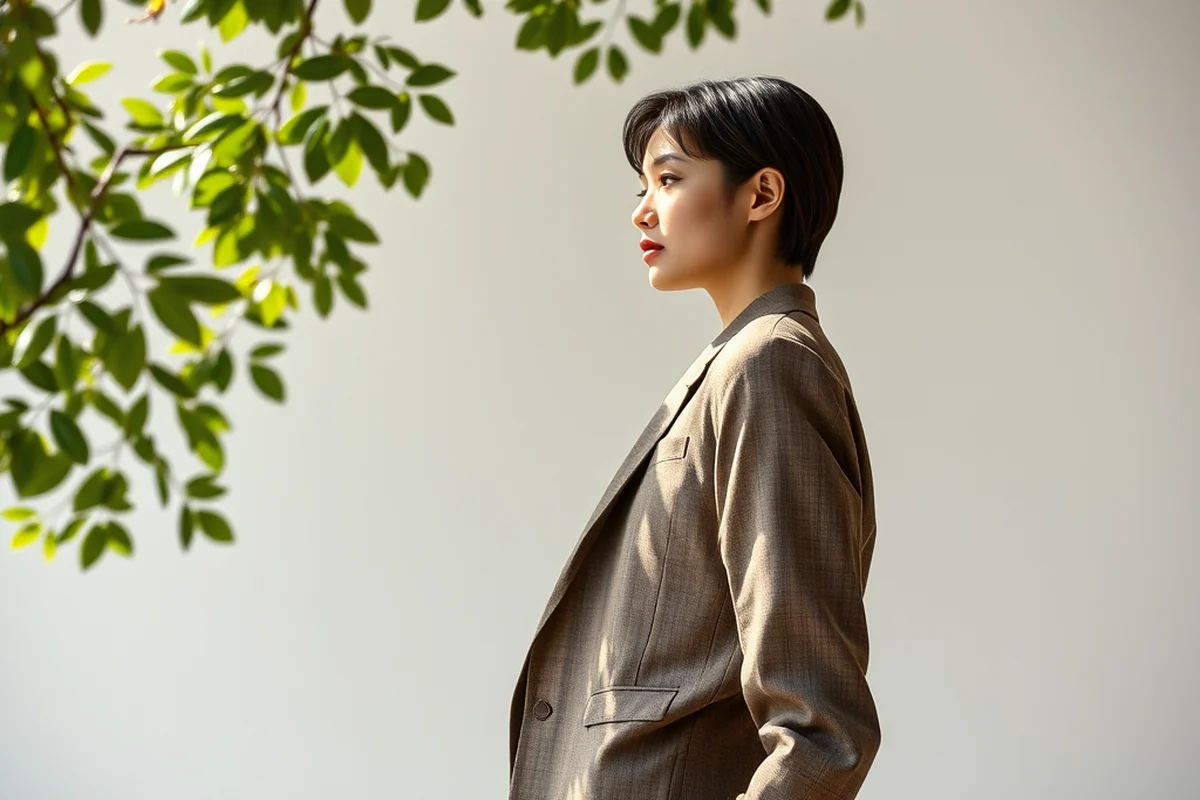
In design class, you learn the fundamentals of sketching, pattern-making, and sewing. You're expected to complete at least one full collection per semester. This includes everything from initial sketches to final garments.
Commerce classes are about branding, marketing, and e-commerce. I once had to create a social media campaign for my collection, and it was terrifying — but also incredibly rewarding. My campaign got over 500 likes, and I even sold a piece through an online store.
Cultural studies is where you learn the history of fashion. It's shocking how many people don't know that the first fashion magazine was published in the 17th century, or that the little black dress was a revolutionary piece in the 1920s.[1]
Fashion is not just about clothes — it's about culture, commerce, and creativity.
Related: Simple plus tall fashion brand product picks
What Makes This School Unique?
Unlike other schools that focus only on design, the High School of Fashion Industries gives you a well-rounded education. You learn how to create, how to sell, and how to understand the world through fashion.
One of the most unique aspects is the internship program. Students can intern with local fashion houses, boutiques, or even online retailers. I interned at a boutique that sells sustainable fashion, and it was eye-opening to see how the industry is changing.
The school also emphasizes sustainability. We learned how to upcycle materials, reduce waste, and even create zero-waste patterns. It's part of the curriculum now, and it's changing the way we think about fashion.
Even if you're not planning to be a sustainable designer, learning the basics can help you make better choices in the future. It's a skill that's becoming more and more important in the industry.
“I walked into the High School of Fashion Industries as a nervous freshman, clutching a sketchbook and a half-baked idea about what 'fashion' even meant.”— Curvereach editors
Related: Plus tall fashion product checklist
The Role of Technology in the School

Students are taught to use design software like Adobe Illustrator and Photoshop. These tools are essential for creating high-quality sketches and presentations. I remember the first time I used Illustrator — it was like learning a new language.
We also learn how to build and manage an online store using platforms like Shopify and WooCommerce. I had to create an online boutique for my final project, and it was a real test of my skills in both design and commerce.
In addition, we use 3D modeling software to create virtual garments. This is a cutting-edge tool that's becoming more and more popular in the industry. It's a way to test designs before even cutting fabric.
Related: Free fly apparel
How Does the School Prepare Students for the Real World?
Whether you want to be a designer, a merchandiser, or a fashion journalist, the school gives you the tools you need to succeed. I had a friend who ended up working in fashion journalism because of the school’s focus on cultural studies.[2]
The school also emphasizes soft skills like communication, collaboration, and time management. These are essential in any career path, but especially in fashion, where teamwork is key.
In my final year, we had to work in teams to create a full collection, which was a perfect way to practice these skills. It was challenging, but it taught me how to work with others and think creatively under pressure.
Related: Sustainable fashion brands
What Are the Opportunities for Student Work?
The school hosts an annual fashion show, where students present their final collections to the public. It's a nerve-wracking but incredibly rewarding experience. I remember standing on the runway, hearing my name called, and thinking about how far I had come.
We also participate in pop-up events, where our collections are sold alongside other local designers. It's a way to gain real-world experience and connect with potential customers.
In addition, the school has a strong online presence. We use Instagram, Pinterest, and other platforms to showcase our work and reach a wider audience. It's a great way to build a personal brand before even graduating.
The runway is just the beginning — the real work starts after the curtain falls.
Related: Best plus tall fashion brand product picks
What Are the Long-Term Benefits of Attending?
I know several alumni who have gone on to work for major fashion houses like Gucci, Balenciaga, and even Zara. Others have started their own clothing lines, which are now being sold in boutiques and online stores.
The school also has a strong alumni network, which is a huge advantage for students. Many alumni are willing to mentor current students or offer job opportunities.
In my own experience, the skills I learned at the school have been invaluable. I was able to get a job at a boutique right after graduation, and I'm now working on my own collection, which is slowly gaining traction.
The Role of Fashion in Cultural and Social Awareness
The school emphasizes the role of fashion in promoting cultural and social awareness through its curriculum. Students are required to complete a project that explores a social issue through fashion, such as designing a collection that highlights mental health or environmental sustainability. In one project, students created a line using recycled materials that raised $2,000 for a local charity. This initiative not only taught students about ethical fashion but also instilled a sense of social responsibility.[3]
Courses in fashion history and cultural studies are integrated into the curriculum to ensure students understand the global impact of fashion. For example, a unit on African textiles taught students how to weave traditional patterns and incorporate them into modern designs. This was done in collaboration with artisans from Ghana, who visited the school to demonstrate techniques. Students spent 10 hours learning these methods, which they then used in their own collections.
The school also partners with organizations that focus on diversity and inclusion in the fashion industry. Students participate in workshops that discuss the history of exclusion in fashion, such as the lack of representation for people of color in high fashion. These workshops are mandatory for all students and include discussions, film screenings, and group activities. One student noted that after attending a workshop on body positivity, they redesigned their collection to include a wider range of sizes, which increased their visibility in the industry.
💰 Budget-Friendly Fashion
Create a stylish, functional wardrobe on a tight budget with smart shopping, DIY upcycling, and versatile pieces.
💼 Workwear Adaptation
Tailor your wardrobe for the office with classic, easy-care fabrics and smart layering techniques.
👕 Casual Wear
Build a casual, everyday capsule with comfortable, wearable pieces that can be dressed up or down.
👗 Petite and Tall Adaptation
Learn how to adjust patterns and choose fabrics to create garments that flatter petite and tall body types.
🧳 Capsule Wardrobe
Design a minimalist capsule collection with only five core pieces that can be mixed and matched for 12 different outfits.
| The mistake | Why it happens | The fix |
|---|---|---|
| Ignoring fabric quality | Using low-quality fabric can make even the best design look cheap and unprofessional. | Invest in high-quality fabric, even if it costs more. It's a small price to pay for a professional finish. |
| Overlooking fit | A poorly fitting garment, no matter how stylish, will never be successful on the runway or in the store. | Always test your designs on a model or use a muslin to check the fit before cutting the final fabric. |
| Neglecting the business side | Focusing only on design can lead to a great product that no one wants to buy. | Take commerce and marketing classes seriously. They're just as important as the design itself. |
| Not building a personal brand | In the fashion industry, your personal brand is everything. Without it, you're just another face in the crowd. | Start building your brand early by using social media, creating a portfolio, and networking with others in the industry. |
High School Of Fashion Industries
Common Questions
Can I attend if I have no prior experience in fashion?
What kind of equipment is available at the school?
What kind of internships are available?
How much does the school cost?
References
- The Routledge History of Fashion and Dress, 1800 to the Present (academia.edu)
- CTE Course Inventory - Dpi.nc.gov (dpi.nc.gov)
- Career and Technical Education (CTE) Course Catalog (ed.sc.gov)
Cite this guide
Curvereach (2026). High School Of Fashion Industries. https://curvereach.com/high-school-of-fashion-industries/
Feel free to cite or share this guide.